Composition shingle, and what the sun does to it. Composition roofs across the San Fernando Valley, including wind damage that is invisible from the ground.
Free inspection, the deck and layer count established, then a written quote.
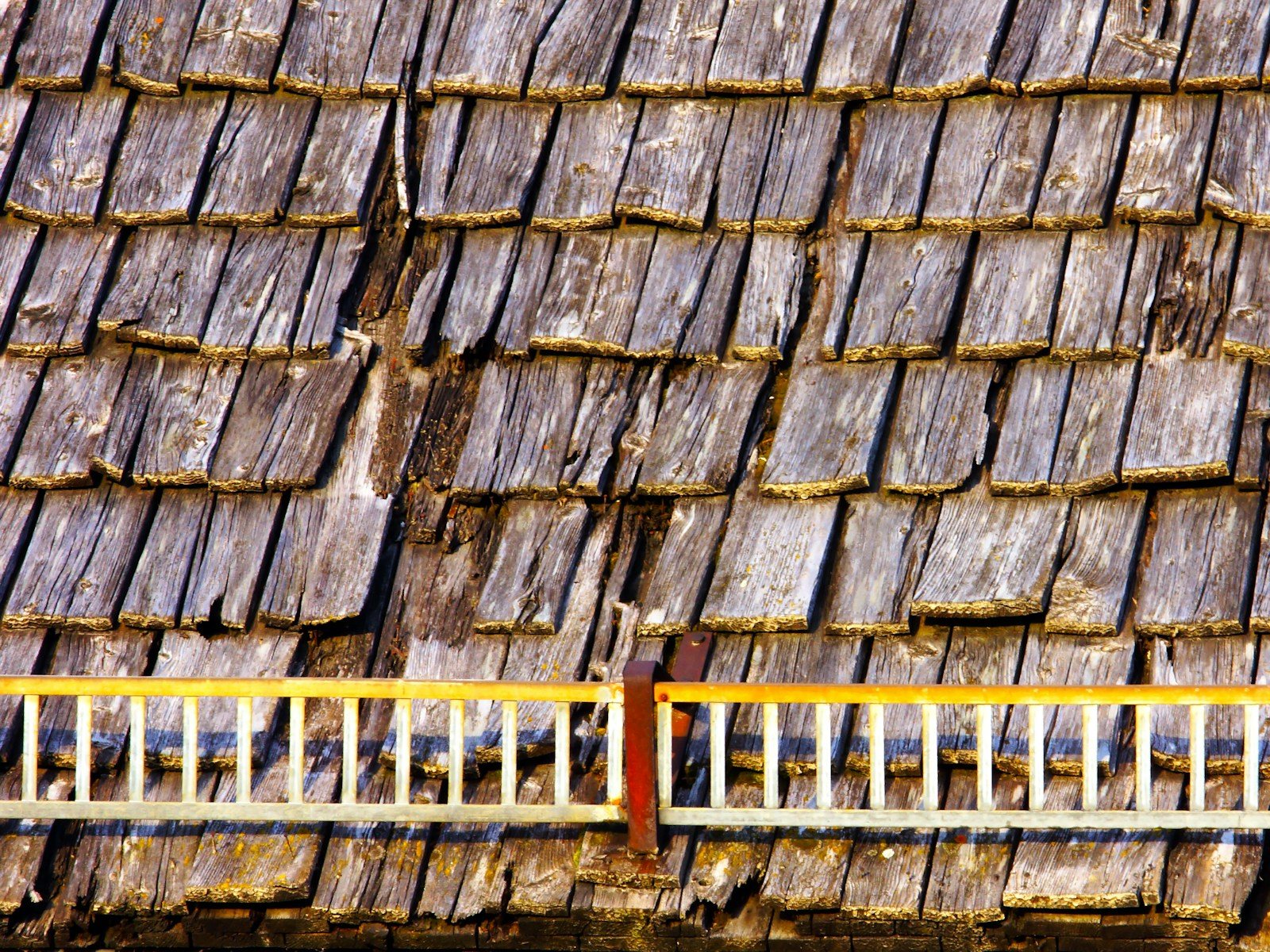
Composition is the most common covering in the Valley and the one this climate is hardest on. Ultraviolet light drives the volatiles out of the asphalt until the mat goes brittle, and a slope tends to reach the end of its life all at once rather than in patches.
Composition shingle is the most common covering in the Valley and the one the climate is hardest on. Ultraviolet light drives the volatiles out of the asphalt, the mat goes brittle, and the granules that were protecting it wash into the gutter.
Composition repairs run $350 to $1,500 in Los Angeles. Where a whole slope has gone, replacement is $7 to $11 per square foot - and on this housing stock a slope does tend to finish all at once rather than in patches. Valley-wide, timing moves the price as much as the roof does. Contractor backlogs have run four to twelve weeks through 2026 and labor is 15 to 25% above pre-Palisades levels, so an emergency call in the first storm of the winter is the most expensive way to buy this work.
A creased shingle drops back flat and looks intact. Caught now it is a repair; found in January it is a ceiling.
We will tell you honestly which one you have. A bald section usually means the slope is finished, not damaged.
Two layers is the practical legal limit. If you are already at two, the next job is a tear-off whatever anyone quotes.
Three things age a Valley roof: ultraviolet light, heat, and the wind. None of them is the rain, which is why so many roofs here fail quietly and then leak all at once in the first real storm of the winter.
All roofing work in the San Fernando ValleyWorth knowing before you start ringing round, and worth factoring into anything with a deadline on it.
Contractor backlogs across Los Angeles have run four to twelve weeks through 2026, with labor rates 15 to 25% above where they were before the Palisades fire. Materials are up about 6% on last year and LA County labor another 8 to 12%.
What that means in practice: an active leak needs calling now rather than on the weekend, and anything tied to an escrow date or a solar install needs a survey booked well before you think you need it. Emergency call-outs carry a 20 to 30% premium for a reason - everyone is busy.
Valley roofs rarely leak in August.
A great deal of Valley roof work dates to the two years after the Northridge earthquake.
Concrete tile came into the Valley in volume from the 1970s, which puts a great deal of it at forty to fifty years old.
Nearly every post-war ranch in the Valley has had something added to the back of it, and the addition was almost always roofed flat, often to a shallower fall than a builder would choose.
The Valley runs hotter than the coastal basin, so the difference a reflective surface makes here is larger than the statewide averages suggest.
Bungalows and low-pitch ranch, plus butterfly roofs.
Newer tracts, and most of the tile in this market.
Rambling single-story ranch, long runs, wide eaves.
Post-war west Valley. Surveyed before anything is quoted.
Big lots, outbuildings, and a Very High fire zone.
City-wide, under LADBS permits and the state energy code.
The questions that decide a job, answered before you ask.
Yes, and it is a cheap check. Santa Ana damage is close to invisible from the ground - the shingle creases at the seal line and drops back flat. It leaks in the first driving rain after, which can be months later when nobody connects the two.
Be careful what that tells you. Composition here tends to finish across a whole slope at once rather than in patches, so a bald section usually means that slope is done. We will tell you which one you have rather than selling you a patch that fails.
Because most online figures are national. Asphalt shingle is about $8.50 per square foot here against roughly $4 nationally, and LA County labor is up 8 to 12% on last year. A quote that matches a national average is usually missing something.
A typical single-story Valley house is two to four days: tear-off and dry-in on day one, covering after. Tile takes longer than composition. Weather moves it, and we will not dry-in a roof we cannot finish.
No. The inspection is free, the written quote is free, and there is no obligation attached to either. What we will not do is give you a price at the door without going up.
Free inspection, written quote, and we will tell you if the cheaper option is the right one.