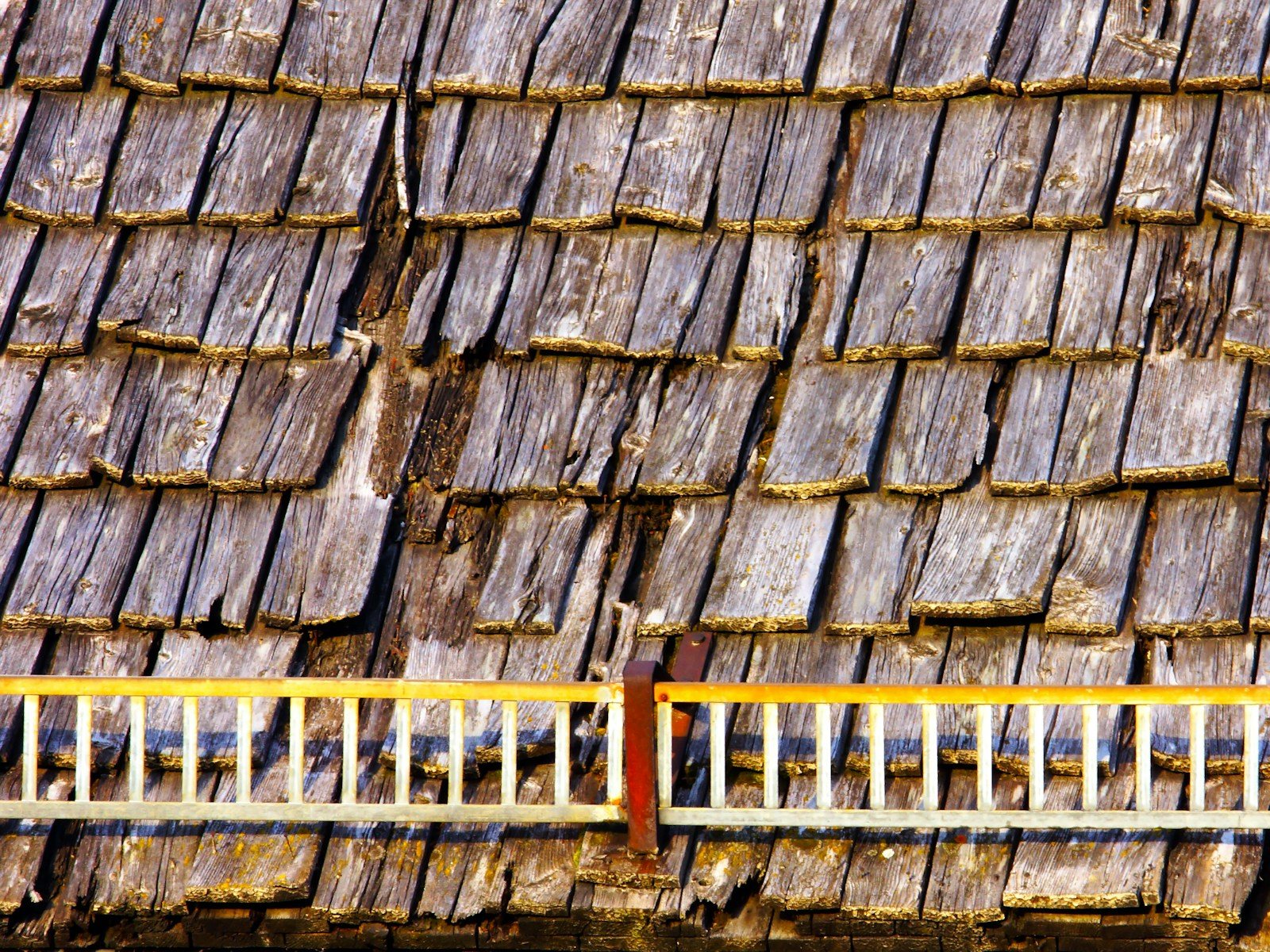
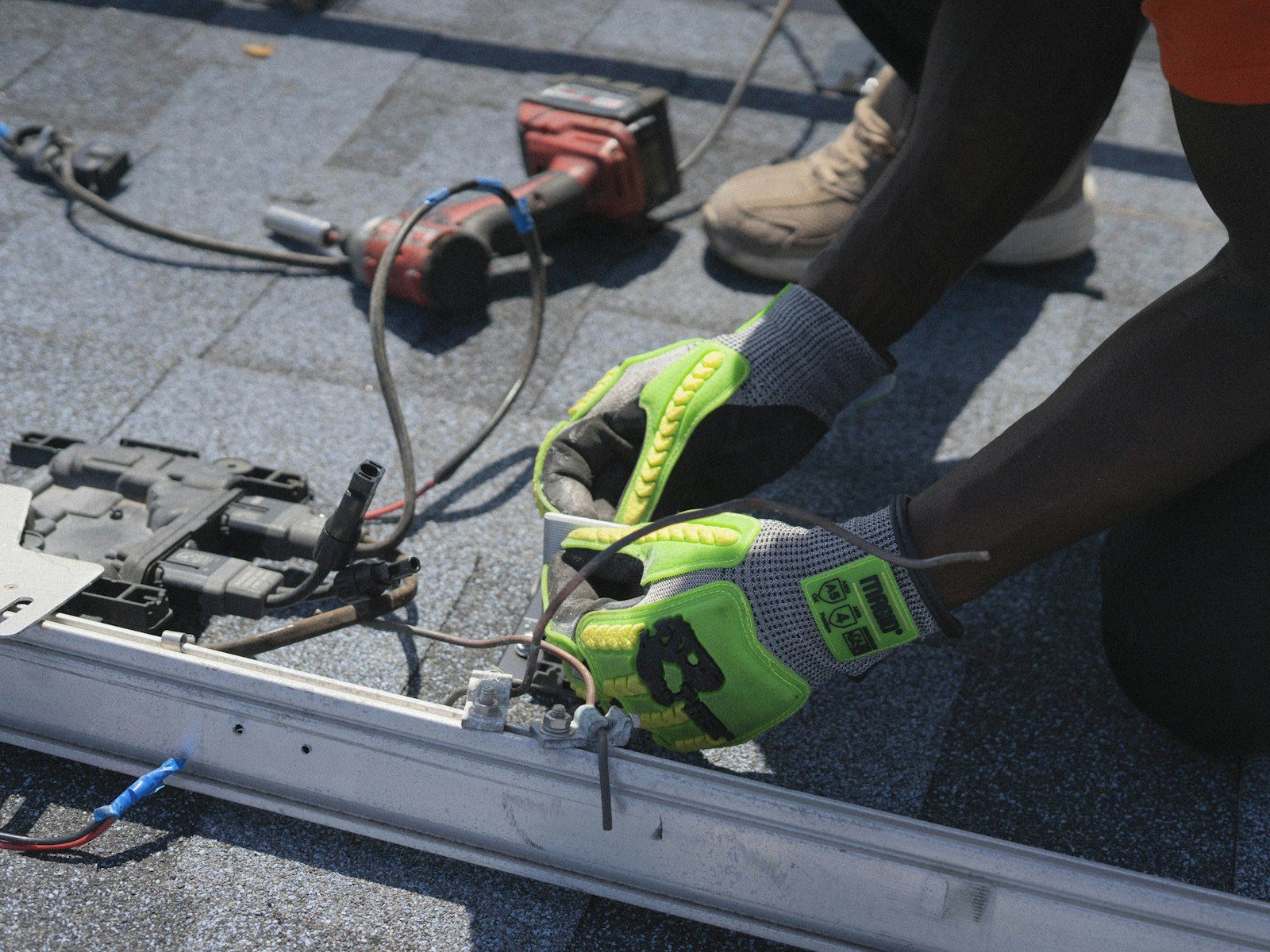
Tear-off, sheathing checked, and a system specified for the pitch. Full replacements in Chatsworth, quoted against a written scope with the layer count established first.
Free inspection, the deck and layer count established, then a written quote.
Chatsworth sits partly inside the Very High Fire Hazard Severity Zone as redrawn by CAL FIRE in 2025. Inside that boundary a re-roof triggers Chapter 7A for the roof, and the covering has to be Class A fire rated. That is a specification decision, not an upsell.
A replacement is worth doing when the sheathing has gone or the repairs have stopped adding up. It is not worth doing because one slope looks weathered.
Full replacements in LA County are estimated at $10,000 to $25,000 for most houses. Asphalt shingle runs $7 to $11 per square foot here - against about $4 nationally, which is why an out-of-town quote never matches. Two things move a Chatsworth quote. Much of it sits inside the 2025 Very High fire zone, where a Class A Chapter 7A assembly adds roughly 22%; and the larger lots usually mean outbuildings - garages, tack rooms, patio covers - which are quoted as their own line rather than folded in.
The single biggest factor, and the reason nobody can quote a roof from a phone call.
A Chapter 7A assembly adds roughly $1 to $5 per square foot, about 22%. Worth knowing before you compare two quotes that are not specifying the same roof.
Sheathing is priced as a rate per sheet in the written scope, not a lump guess. Nobody knows how much has softened until the tear-off.
Larger lots mean detached garages, barns, tack rooms and patio covers -- outbuildings that were roofed to a lower standard than the house and are usually a decade past it. They are also where a wildfire ember lands first.
All roofing work in ChatsworthMost homes lost to wildfire are ignited by embers rather than the fire front, and the roof is the largest surface an ember can land on.
Open ridge and eave ends, unscreened attic vents, and gutters packed with dry leaves. Embers find the gaps, so the details around the covering matter as much as the covering itself.
Every slope is photographed before and after and the set is yours. Every price is against a written scope that names the detail, so the rating and the closures are on paper, not promised at the door.
The larger Chatsworth lots usually come with outbuildings - a detached garage, a tack room, a patio cover - roofed to a lower standard than the house and a decade older in practice.
Heavy tile on a big lot usually means outbuildings roofed in the same material to a lighter structural standard.
Patio covers and equestrian outbuildings on the larger lots are almost all low slope, and almost all built to a shorter design life than the house.
Chatsworth sits where the Santa Anas come through hardest, and the same wind that lifts shingles carries embers.
In a Very High fire zone the coating question sits alongside the Class A question: the assembly as a whole has to carry the rating, and adding a product over an existing system can affect it.
Bungalows and low-pitch ranch, plus butterfly roofs.
Newer tracts, and most of the tile in this market.
Rambling single-story ranch, long runs, wide eaves.
Post-war west Valley. Surveyed before anything is quoted.
The wider Valley, ranch tracts and flat additions.
City-wide, under LADBS permits and the state energy code.
The questions that decide a job, answered before you ask.
Usually because they are not the same roof. Check whether each one specifies a fire-rated assembly, how sheathing replacement is priced, and whether a tear-off is included. A Chapter 7A specification alone is about 22% of the difference.
Only where it has actually softened, and it is priced as a rate per sheet in the written scope rather than a lump guess. Nobody can tell you how much needs replacing before the old covering is off, and a quote that claims to is guessing.
In the highest-risk fire zones it is what California's wildfire building standards call for, and on the hill side of the Valley it is worth asking for either way. The quote names the rating of the whole assembly, not just the covering, plus the vent screening and the ridge and eave closures.
A scope that names every item -- the covering, the underlayment, the flashings and the vents -- with the estimated range against it, before any work starts. Dated photographs of every slope, before and after, are yours either way.
For a full replacement in LA County, an estimated $10,000 to $25,000 covers most houses, and repairs usually run an estimated $350 to $1,500. The honest answer is that the range is wide because pitch, access, covering and what the old roof was hiding all move it - which is why the inspection is free and the quote is written down before any work starts.
Free inspection, written quote, and we will tell you if the cheaper option is the right one.